Designing a Home That Grows With Your Family
A well-designed home isn’t built for a moment in time—it’s built for a lifetime of change.
When we design for families, we’re not just thinking about what looks beautiful today. We’re thinking about how children grow, how their needs shift, and how a home can evolve with them without requiring constant redesigns.
The most successful family homes are built around stages, not static rooms.
Below is a thoughtful design timeline that helps guide how interiors should adapt as children grow.
1. The Nursery Stage (0–2 Years): Calm, Safe, and Functional
This is the most nurturing and caregiver-focused stage of design.
Design Focus:
Soothing, restful environment
Ease of nighttime routines
Safety-first layouts
Heavy emphasis on storage and organization
Key Elements:
Blackout window treatments
Comfortable feeding chair or glider
Dresser with dual purpose (changing station + long-term storage)
Soft lighting and layered illumination
Minimal visual clutter
Designer Insight:
This is one of the most temporary stages—so invest in timeless foundational pieces, not overly themed décor. The goal is calm functionality, not a “baby-only” room.
2. Toddler & Early Kids Stage (2–5 Years): Movement, Play, and Independence
This is where curiosity takes over the home!
Design Focus:
Encouraging independence
Safe exploration
Easy access to toys and books
Durable, washable materials
Key Elements:
Open floor space for play
Low shelving and baskets
Rounded furniture edges
Interactive zones (reading corner, play zone, creative area)
Labeling or visual organization systems
Designer Insight:
At this stage, design should support “I can do it myself.” Accessibility is more important than perfection.
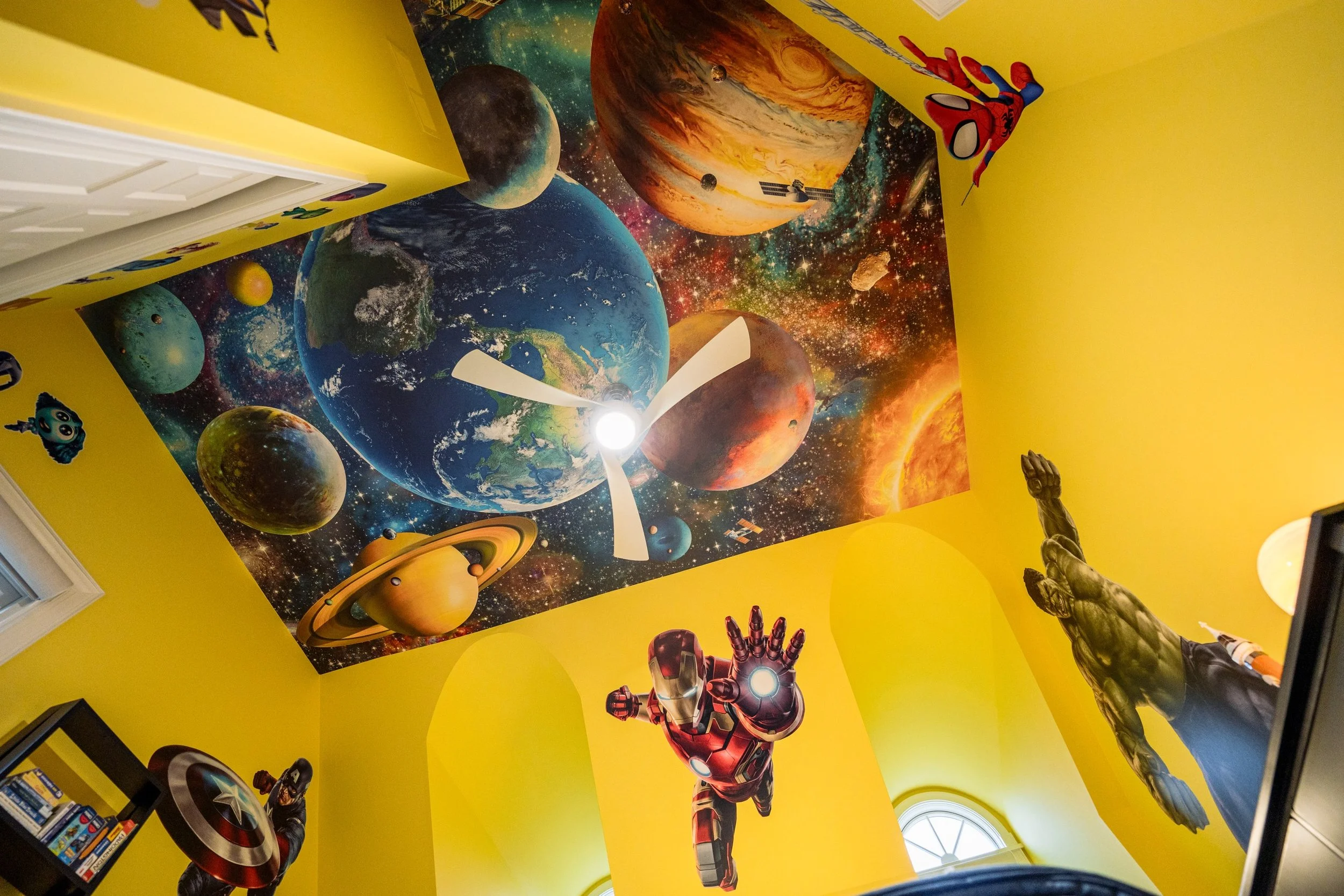
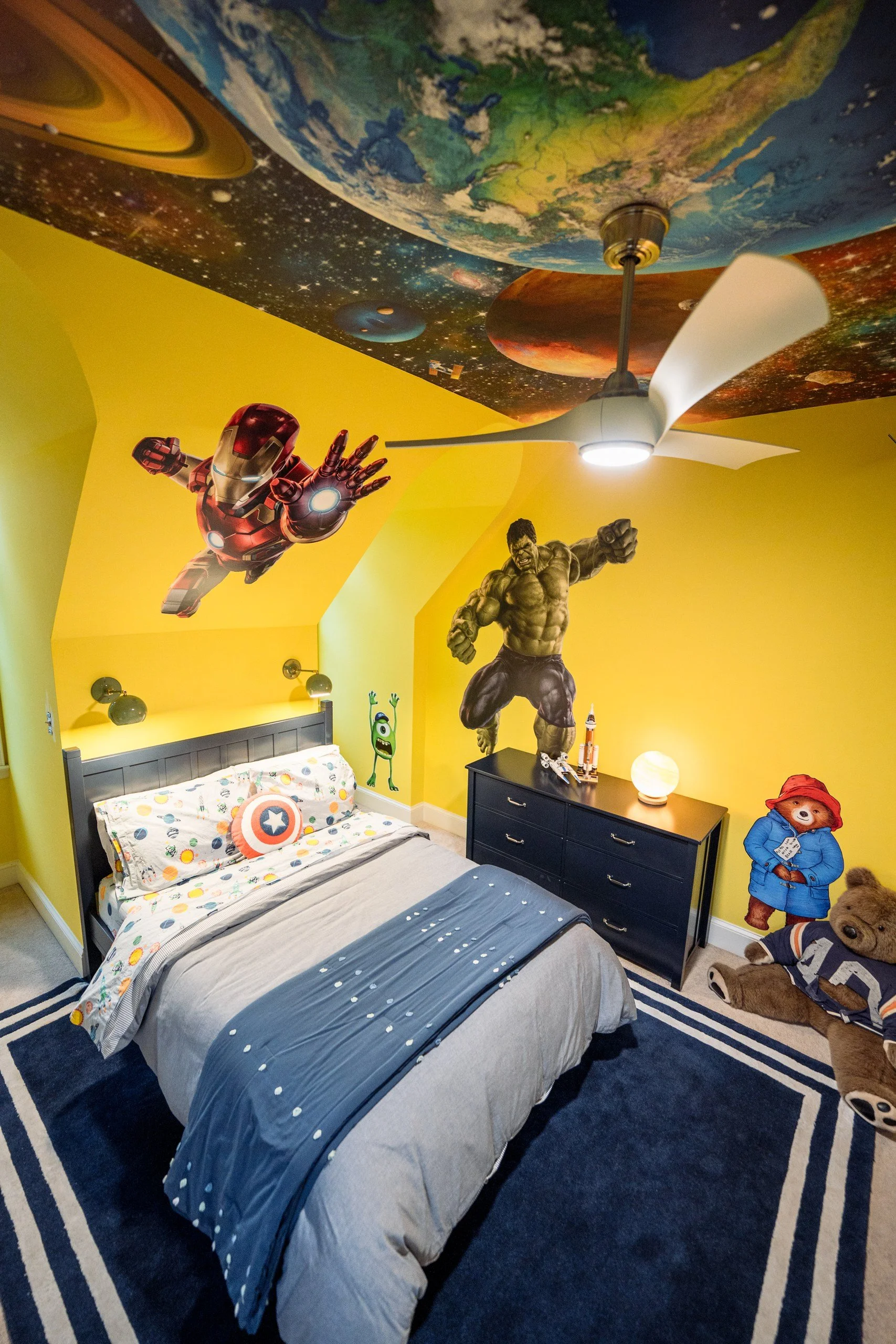
3. Fun & Imagination Stage (6–8 Years): Creativity and Expression
This is the “magic” stage where personality starts to emerge.
Design Focus:
Creativity and storytelling
Hobbies and collections
Early independence in routines
School readiness
Key Elements:
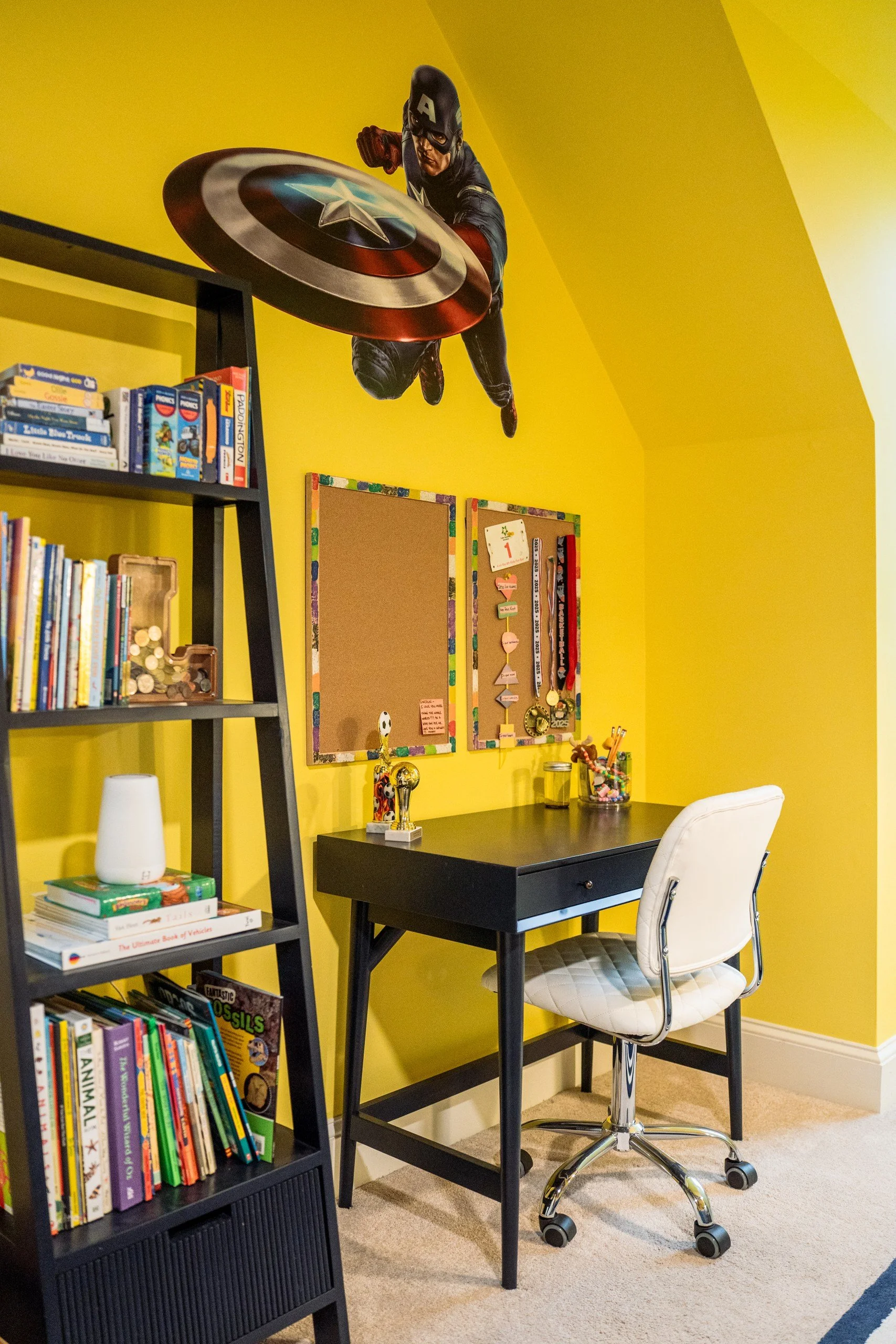
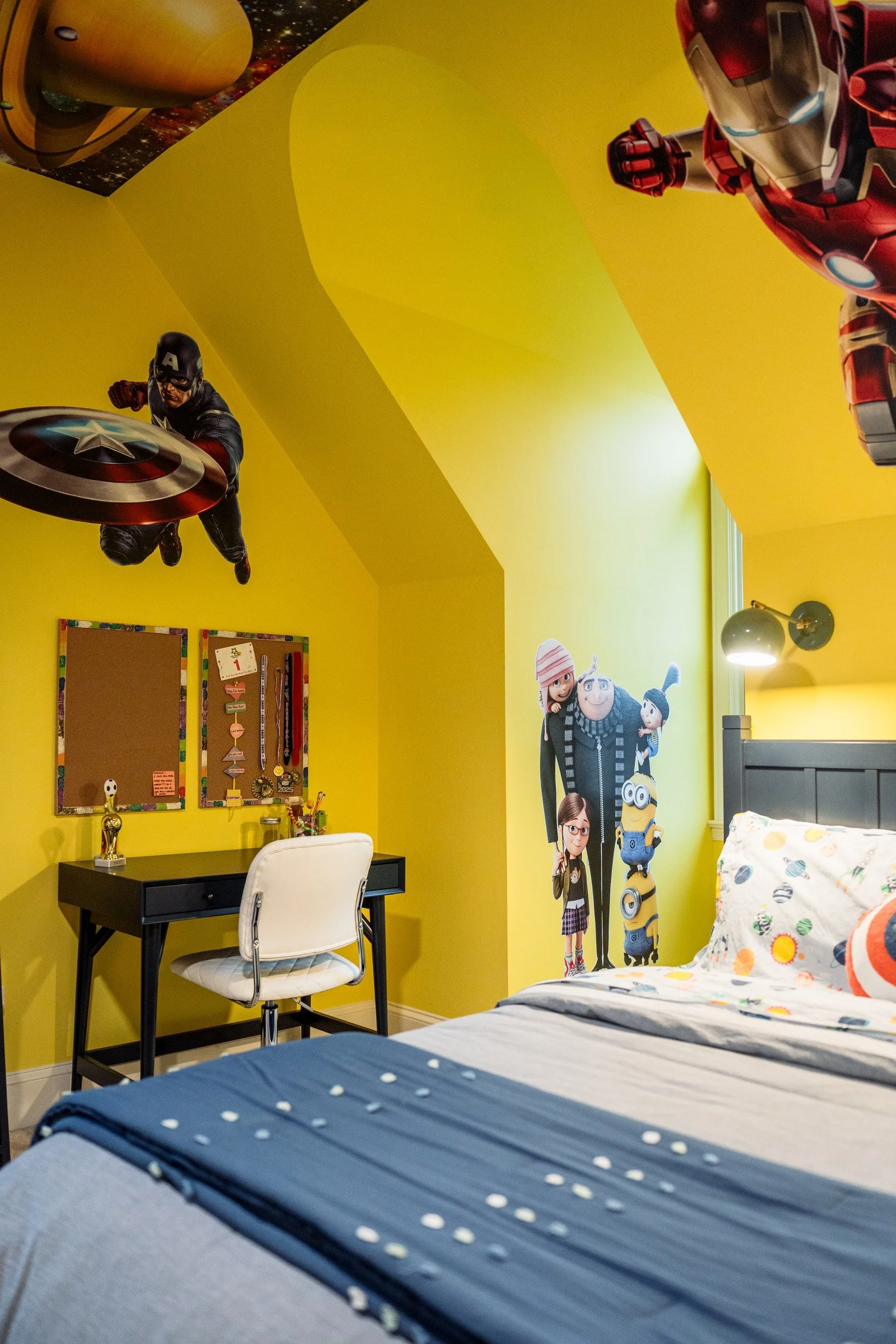
Homework station or small desk
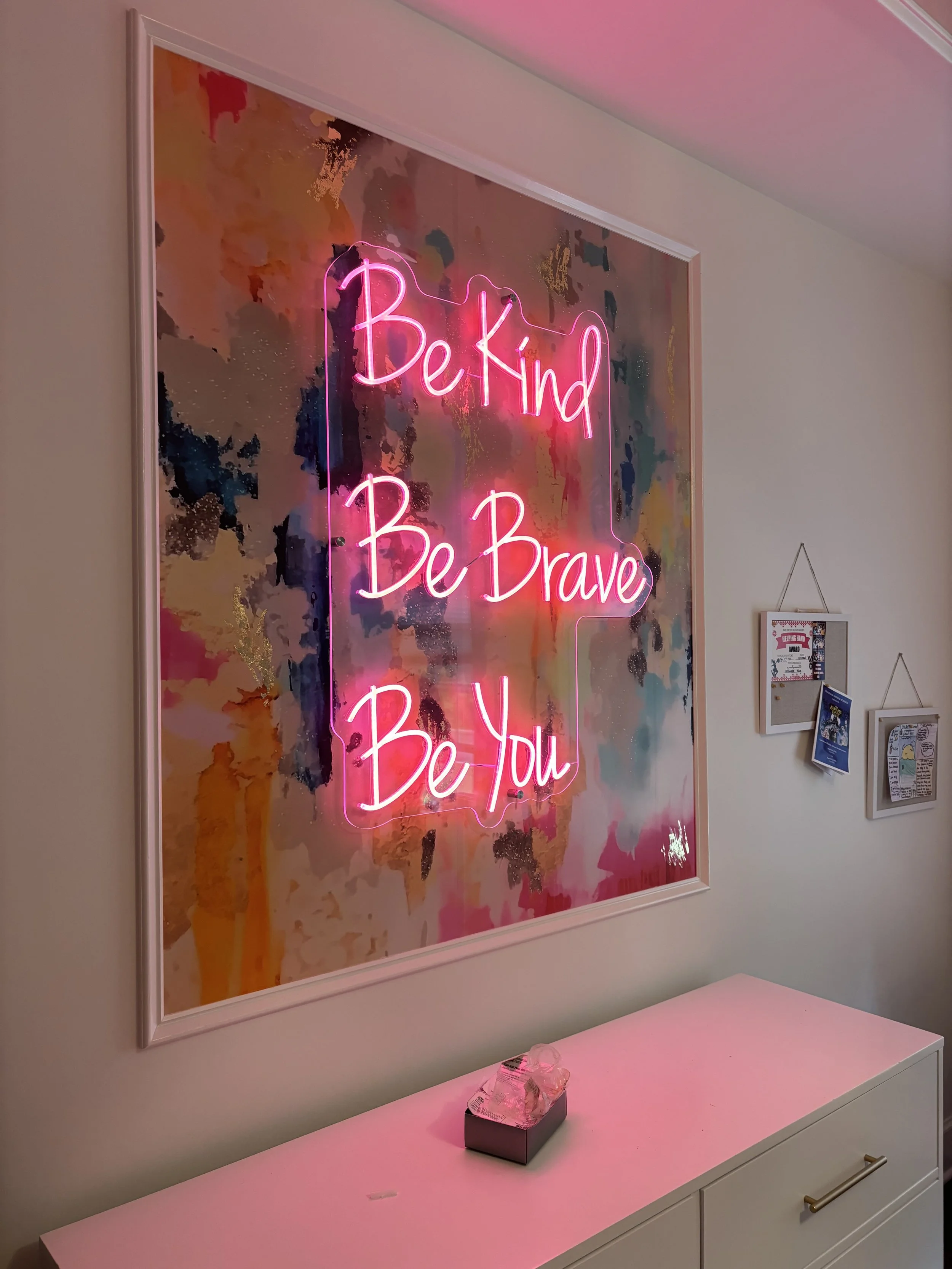
Display space for artwork and achievements
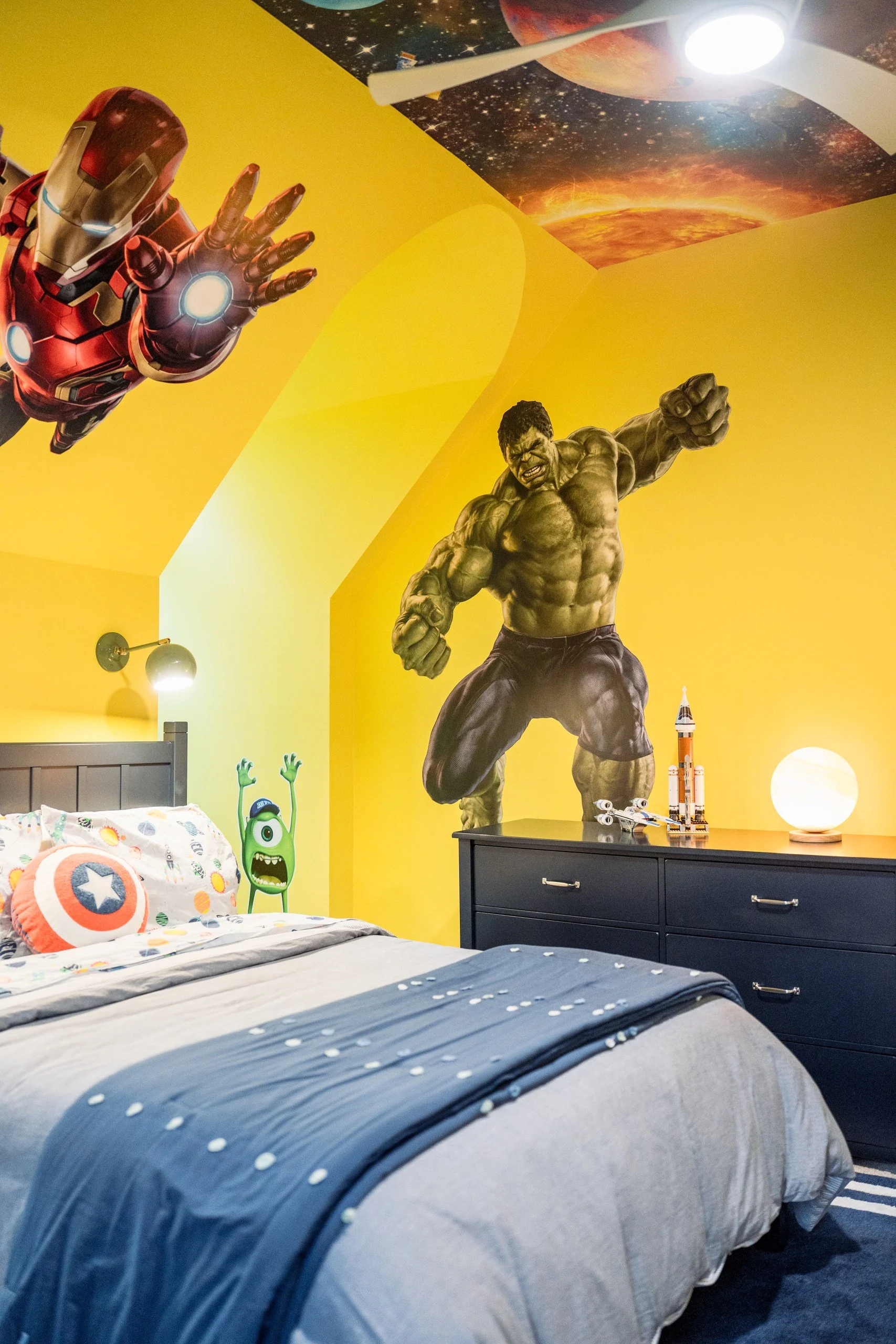
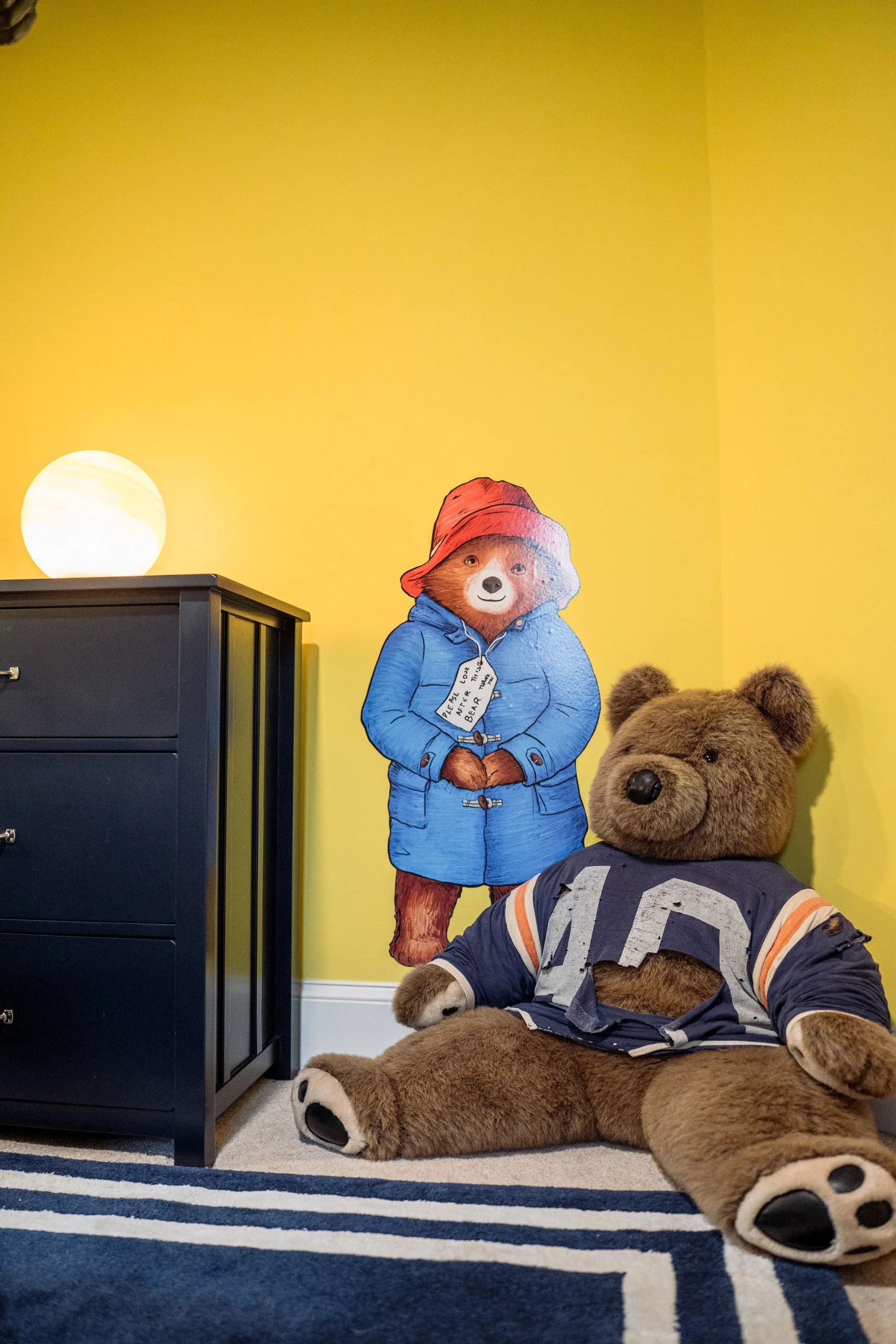
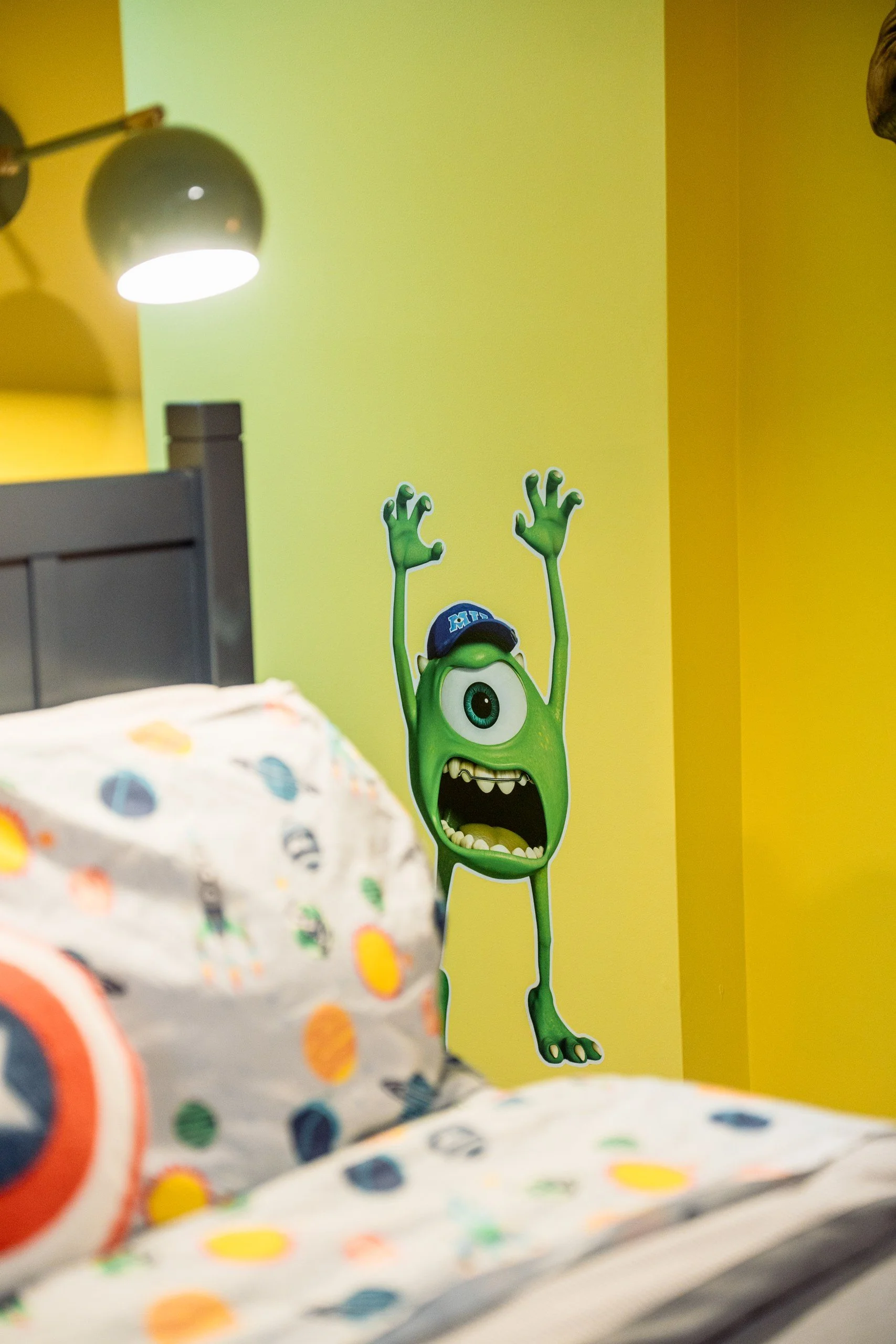
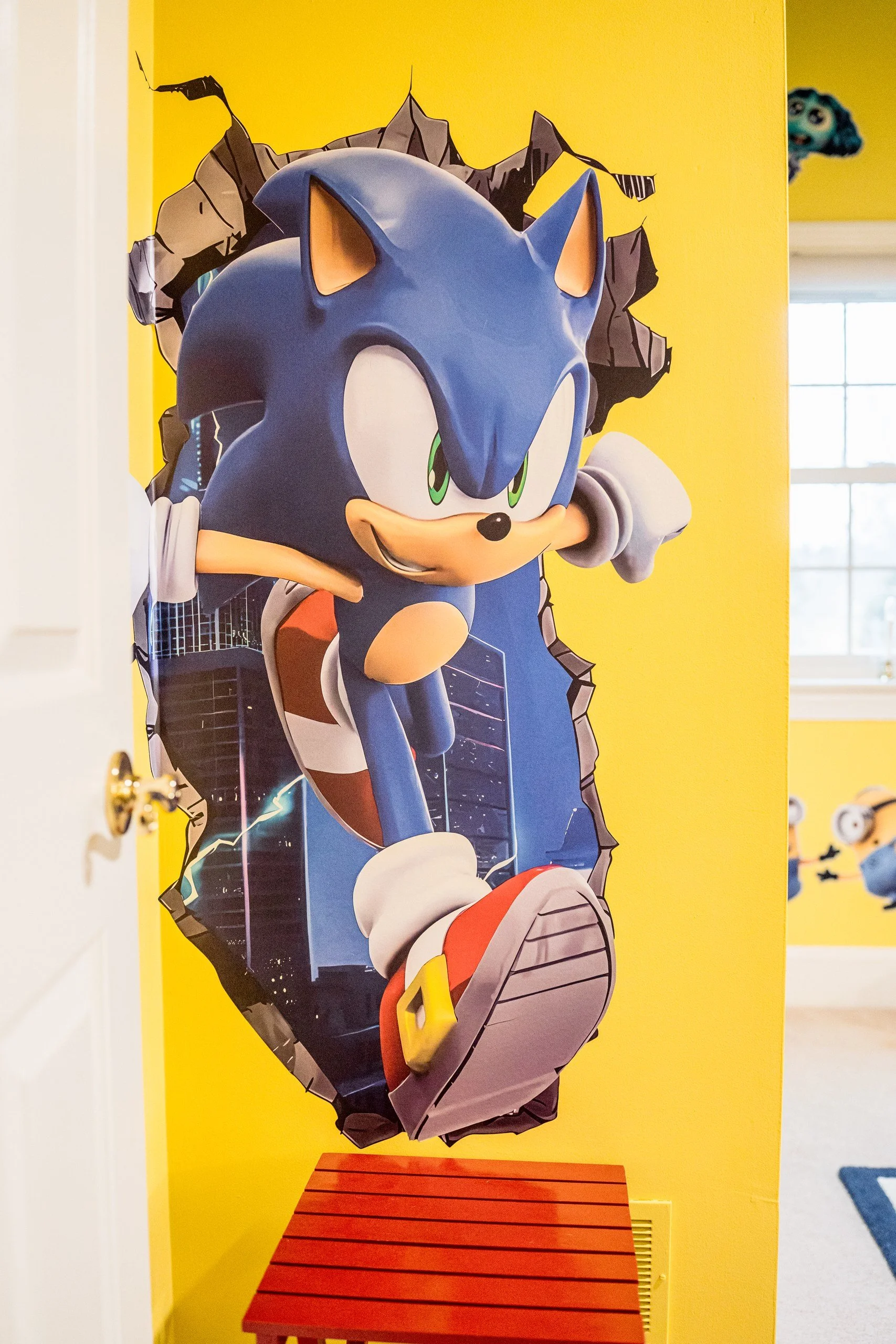
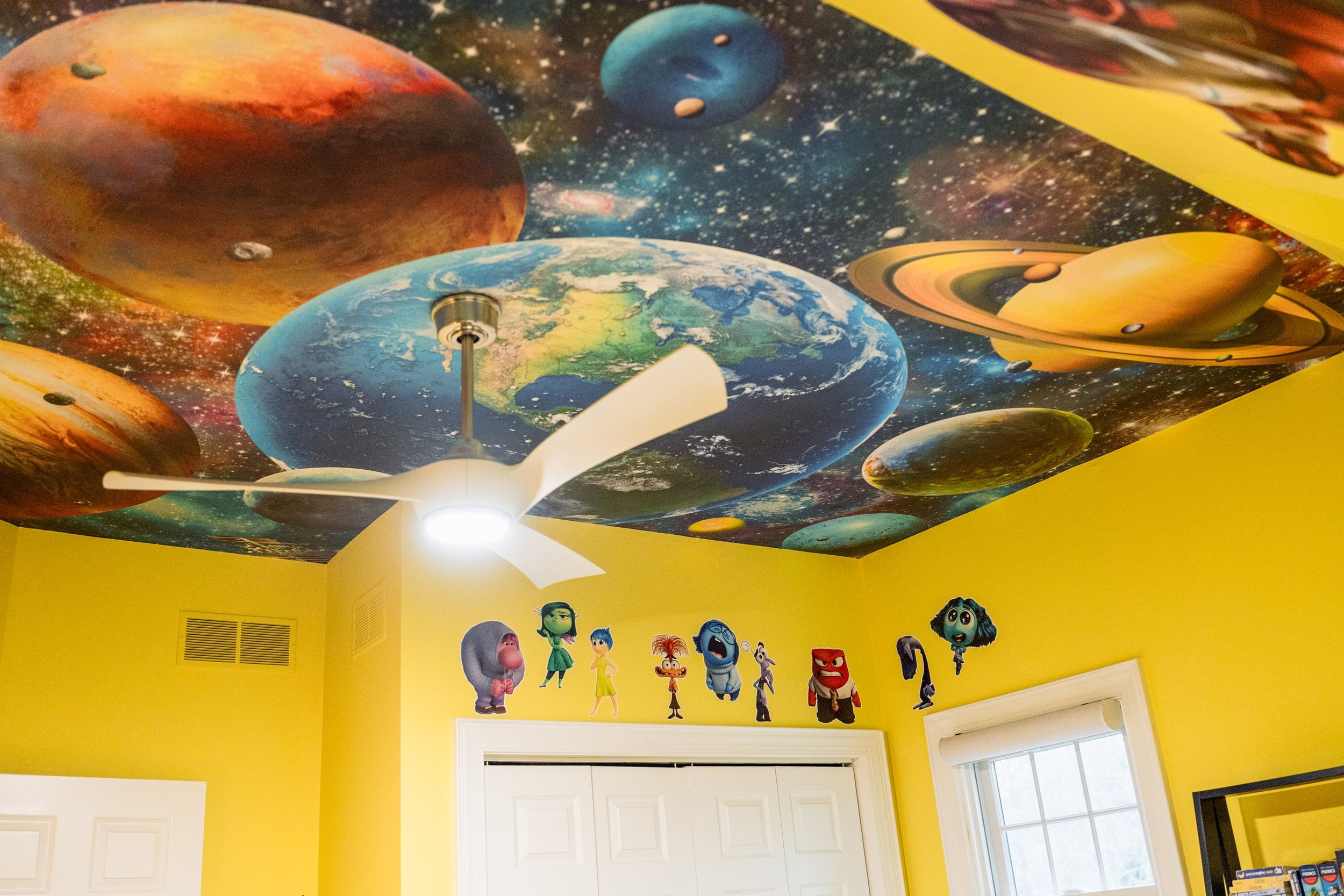
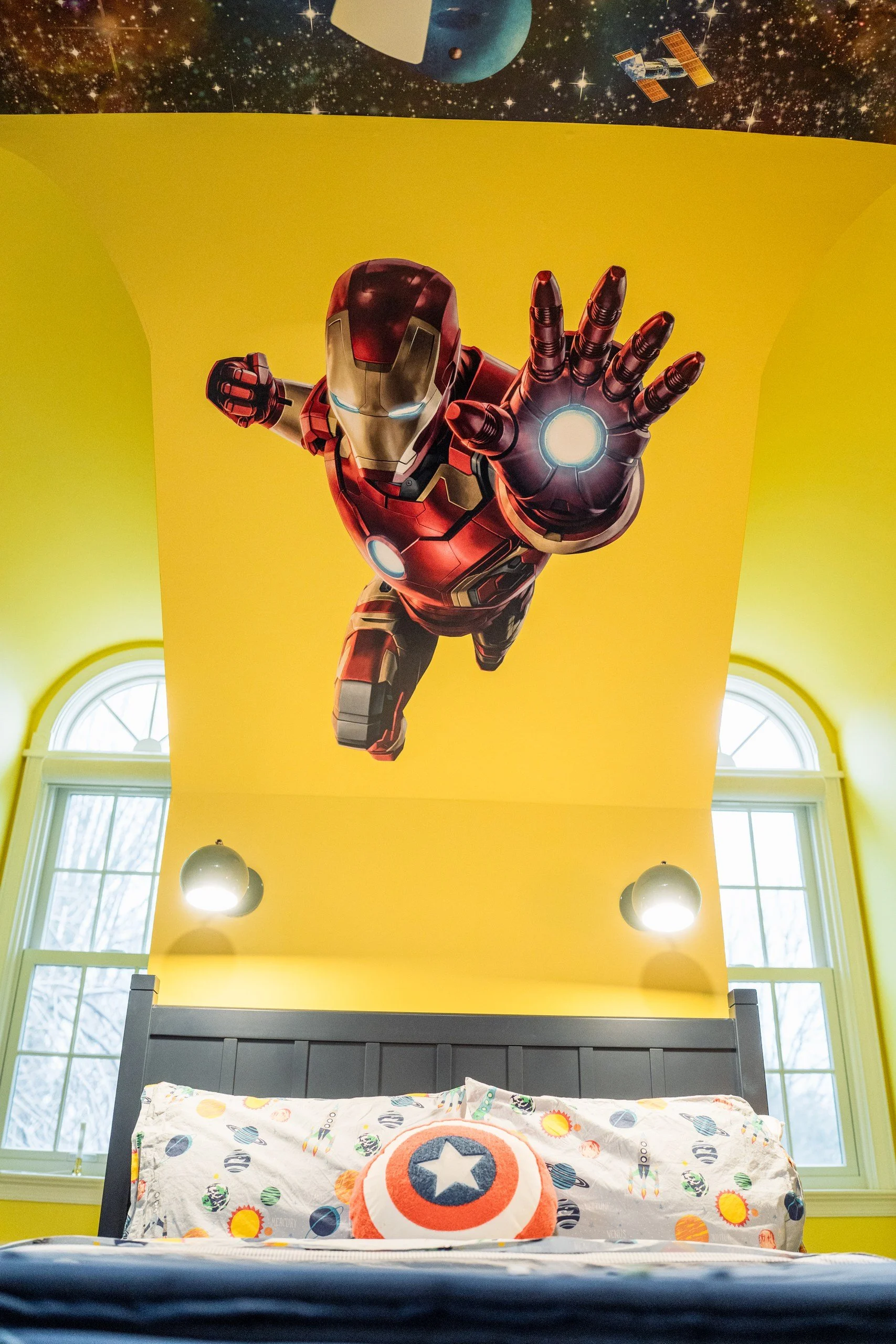
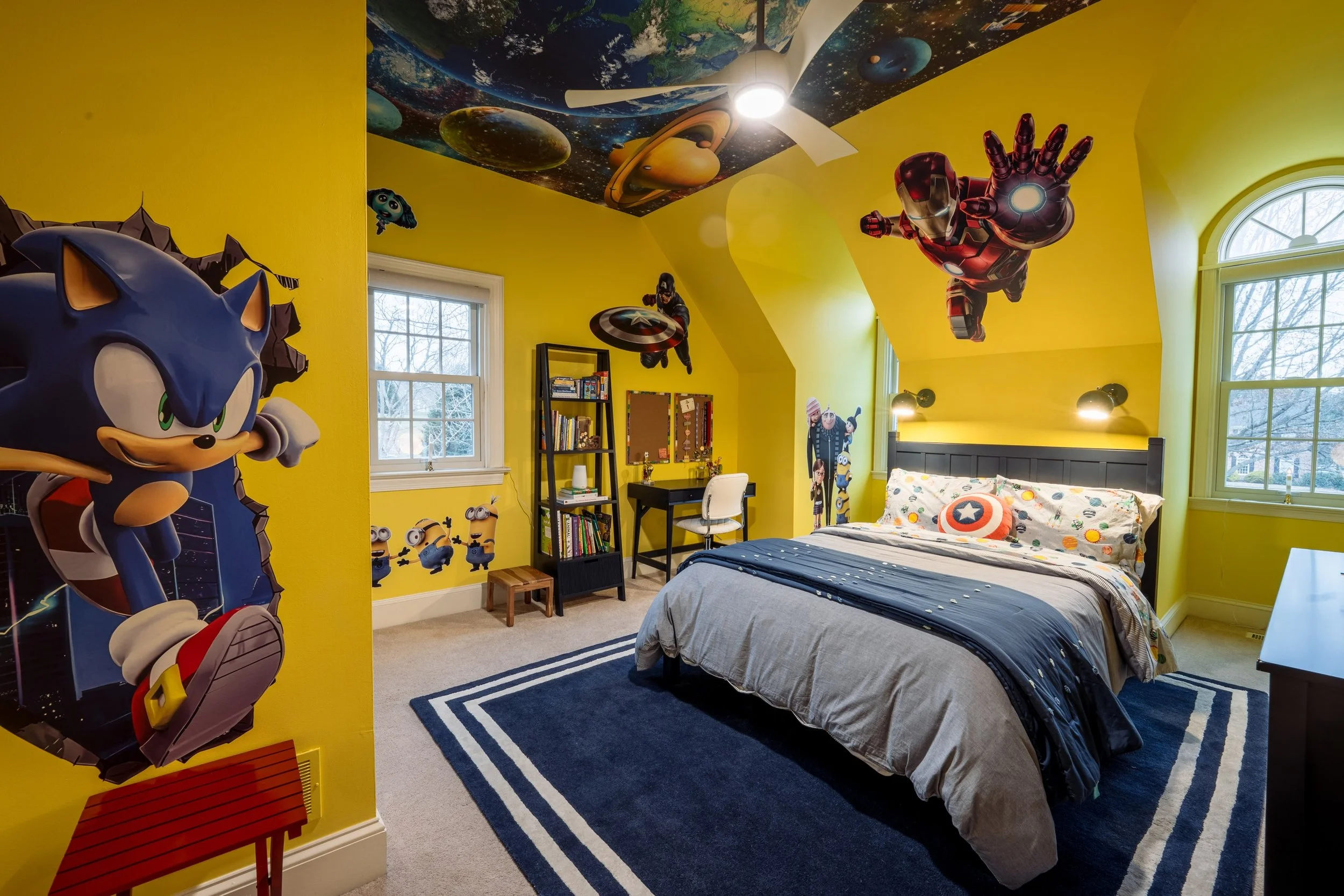
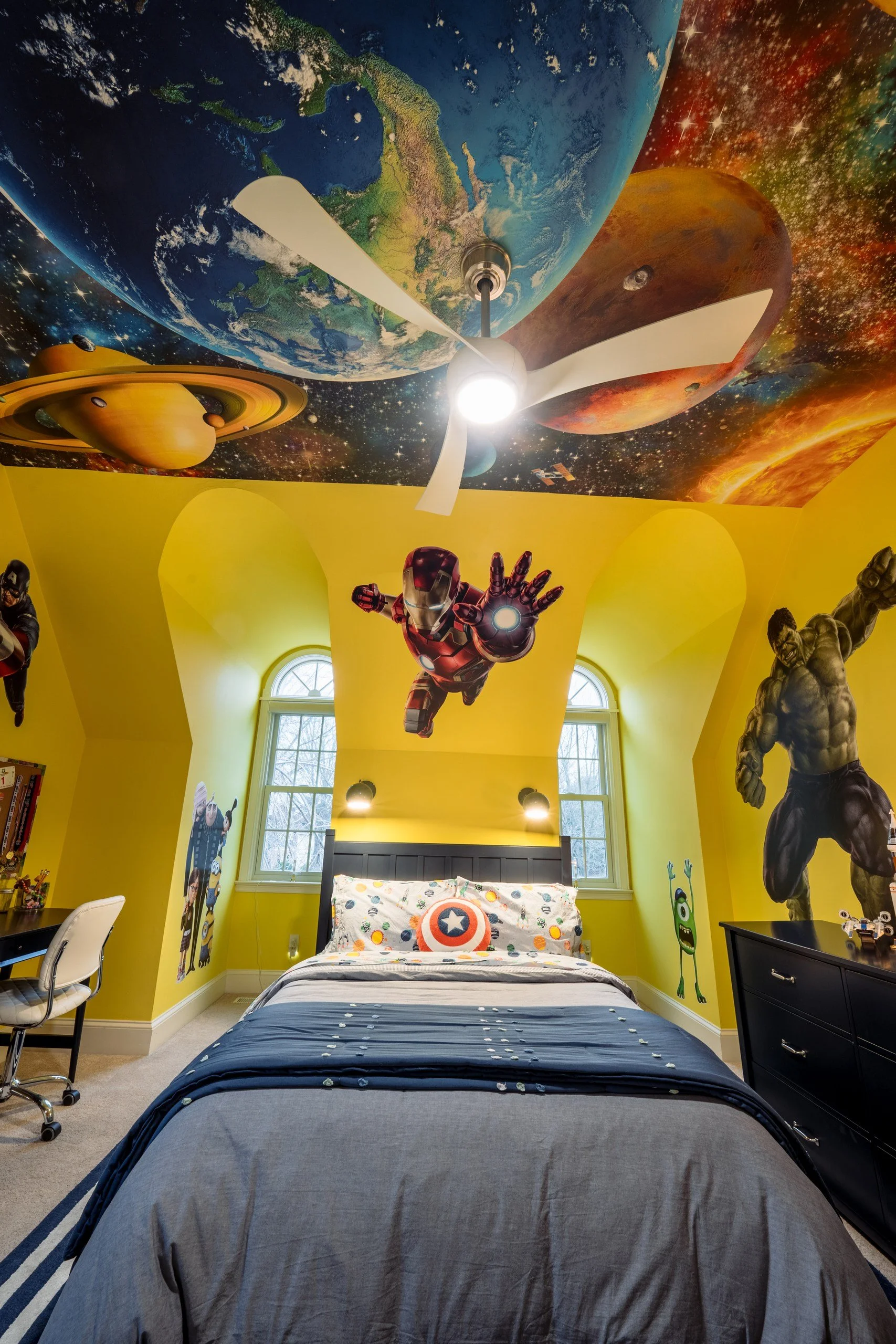
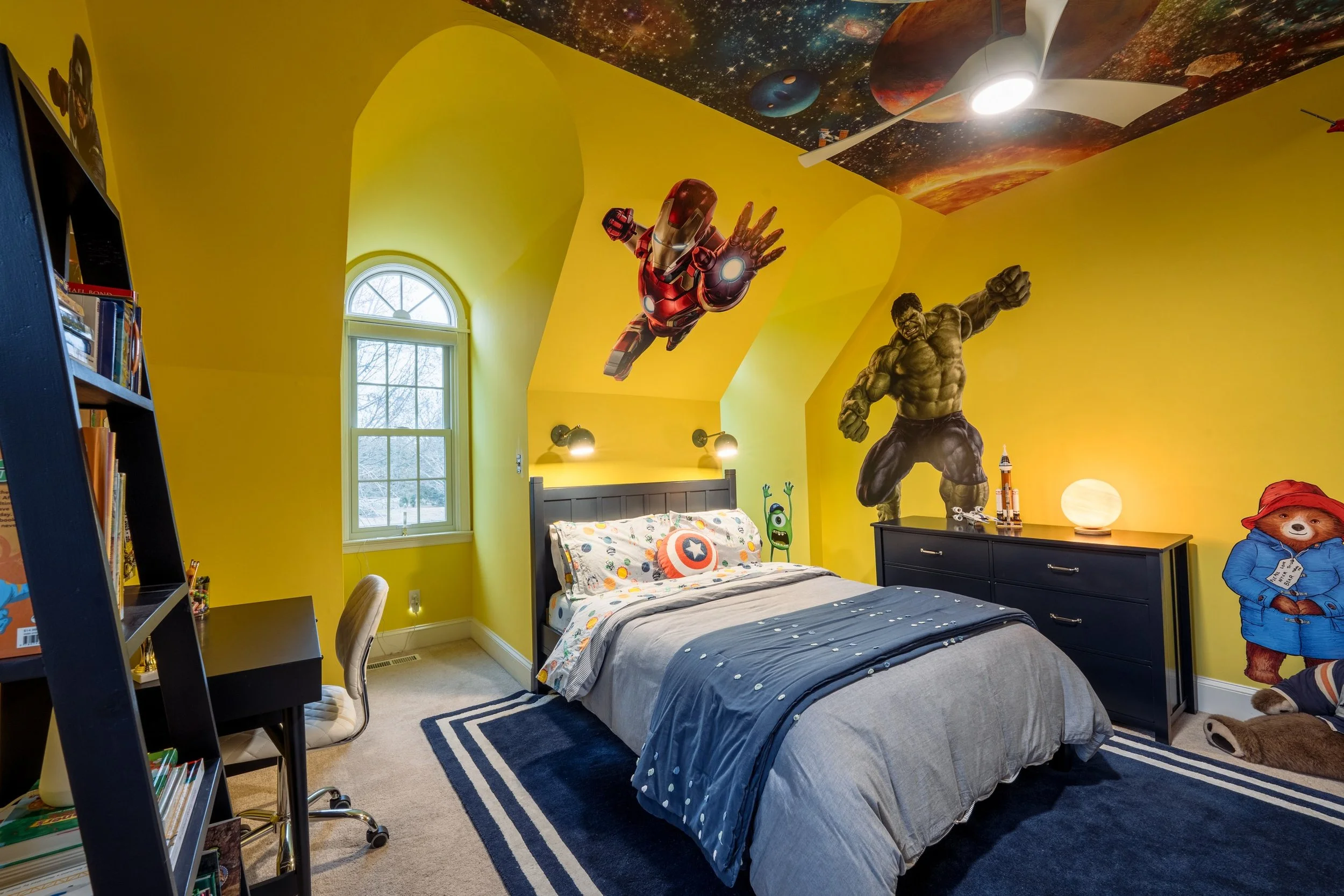
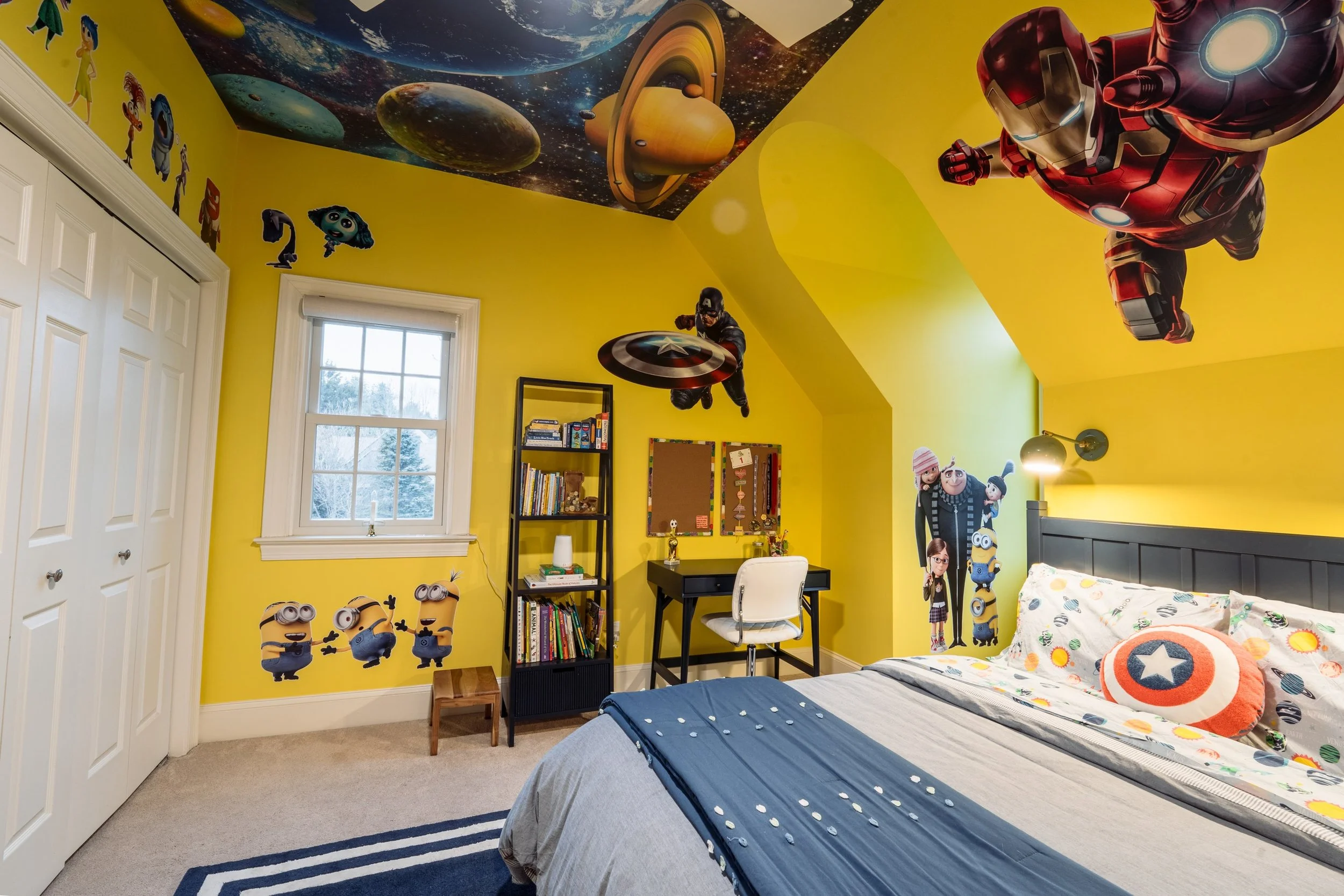
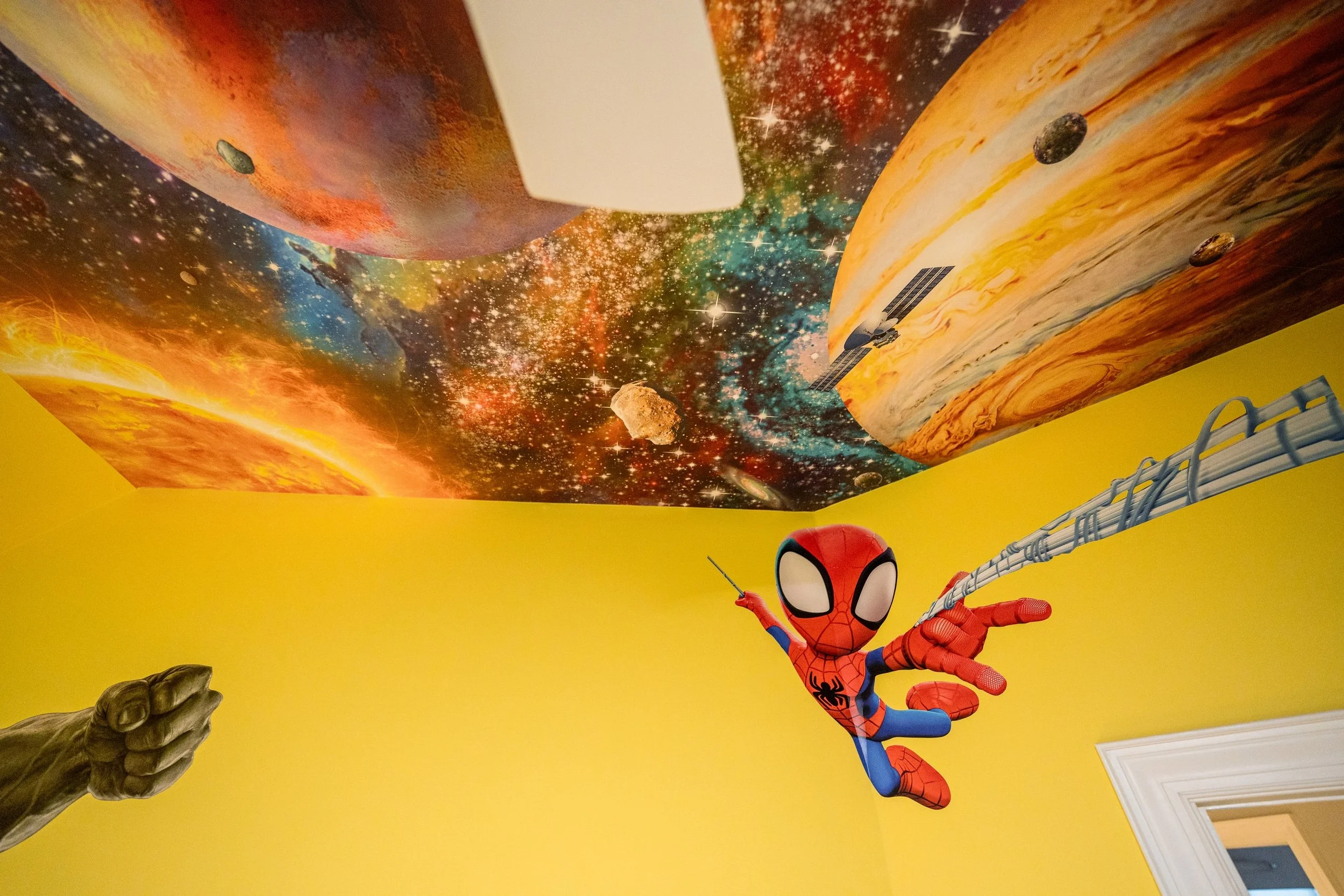
Themed accents (not full-room themes)
Flexible storage for evolving interests
Reading and quiet zones
Designer Insight:
This is a great stage to start introducing modular design systems—furniture and storage that can shift as interests change.
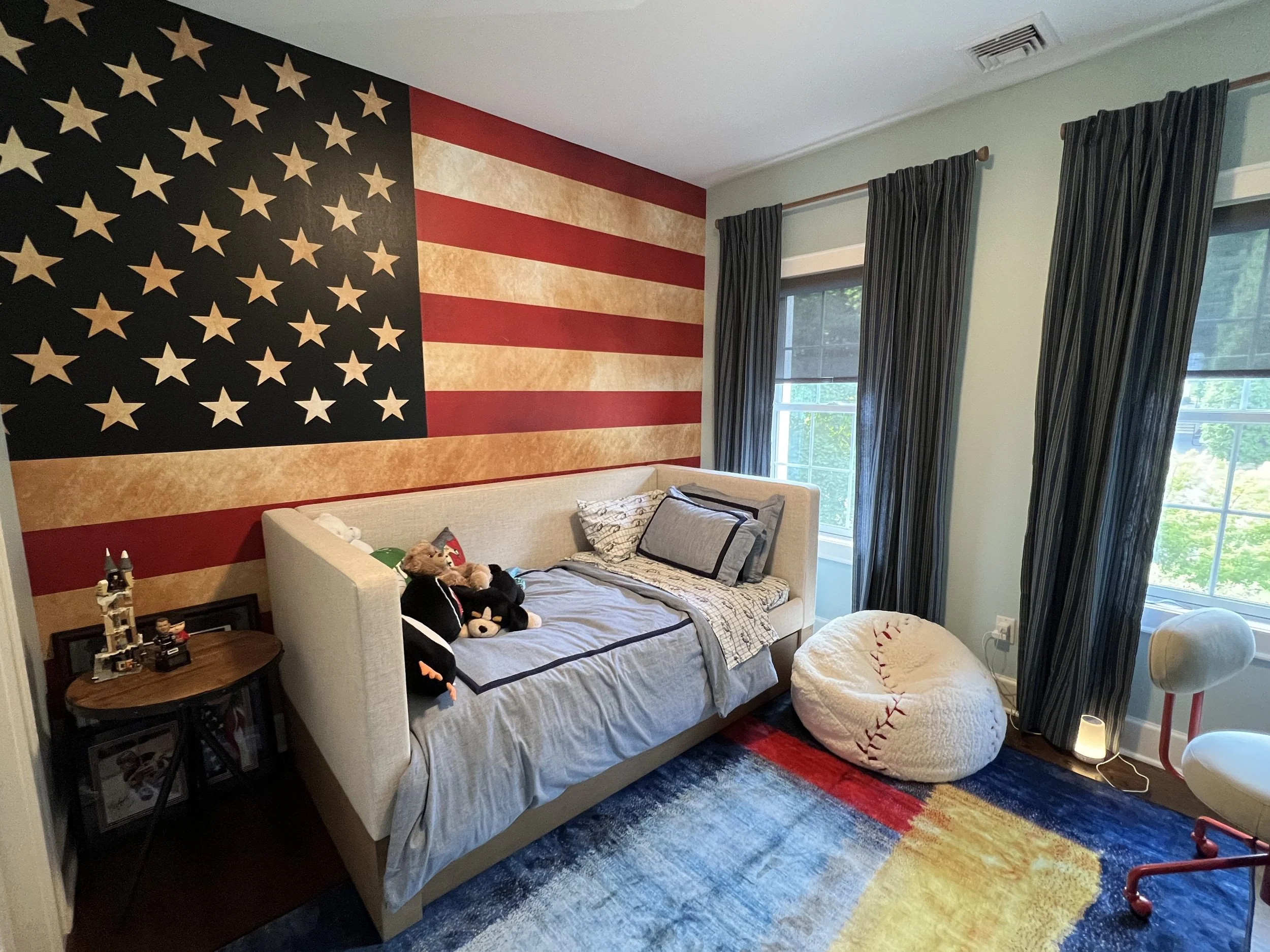
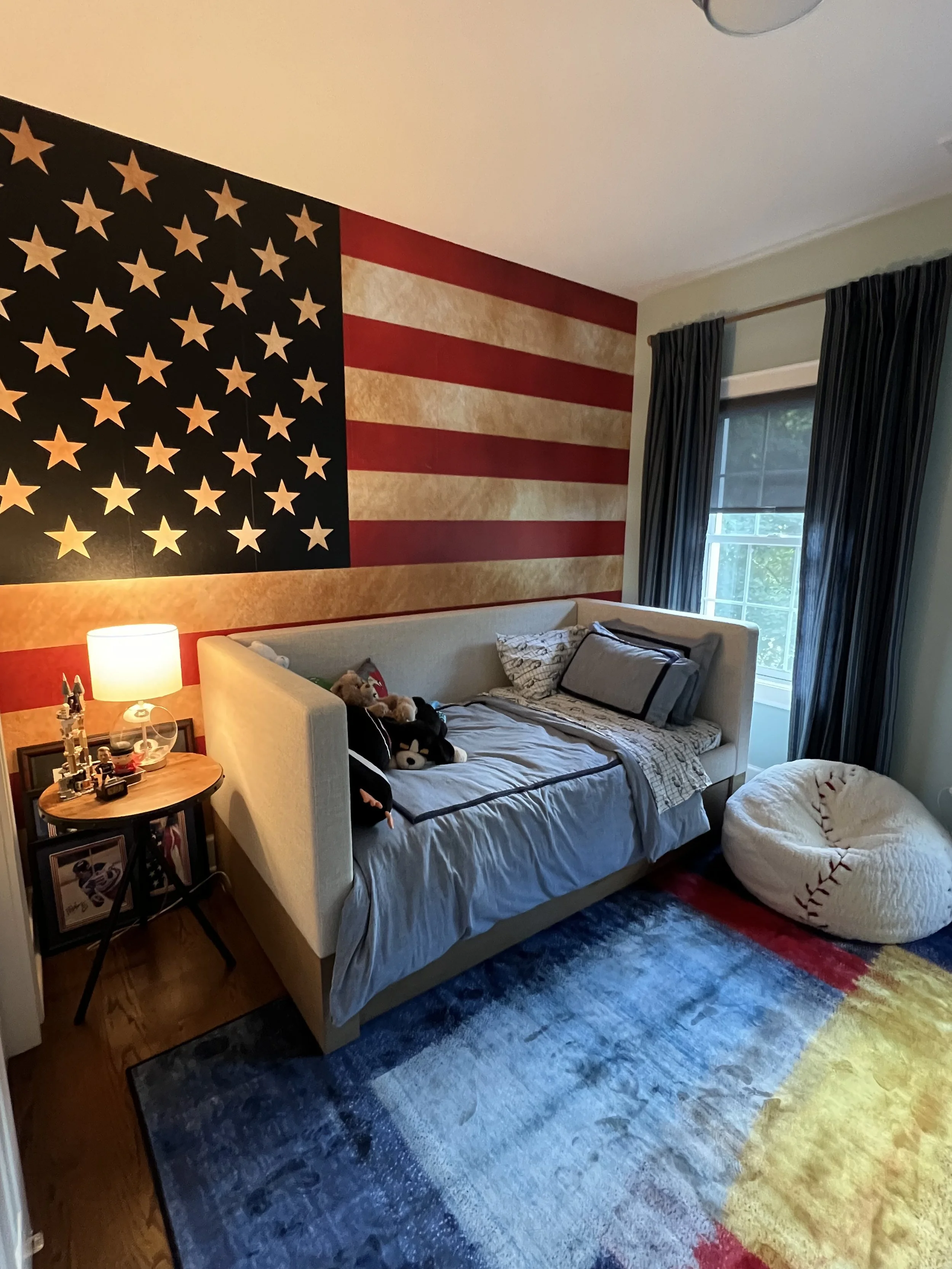
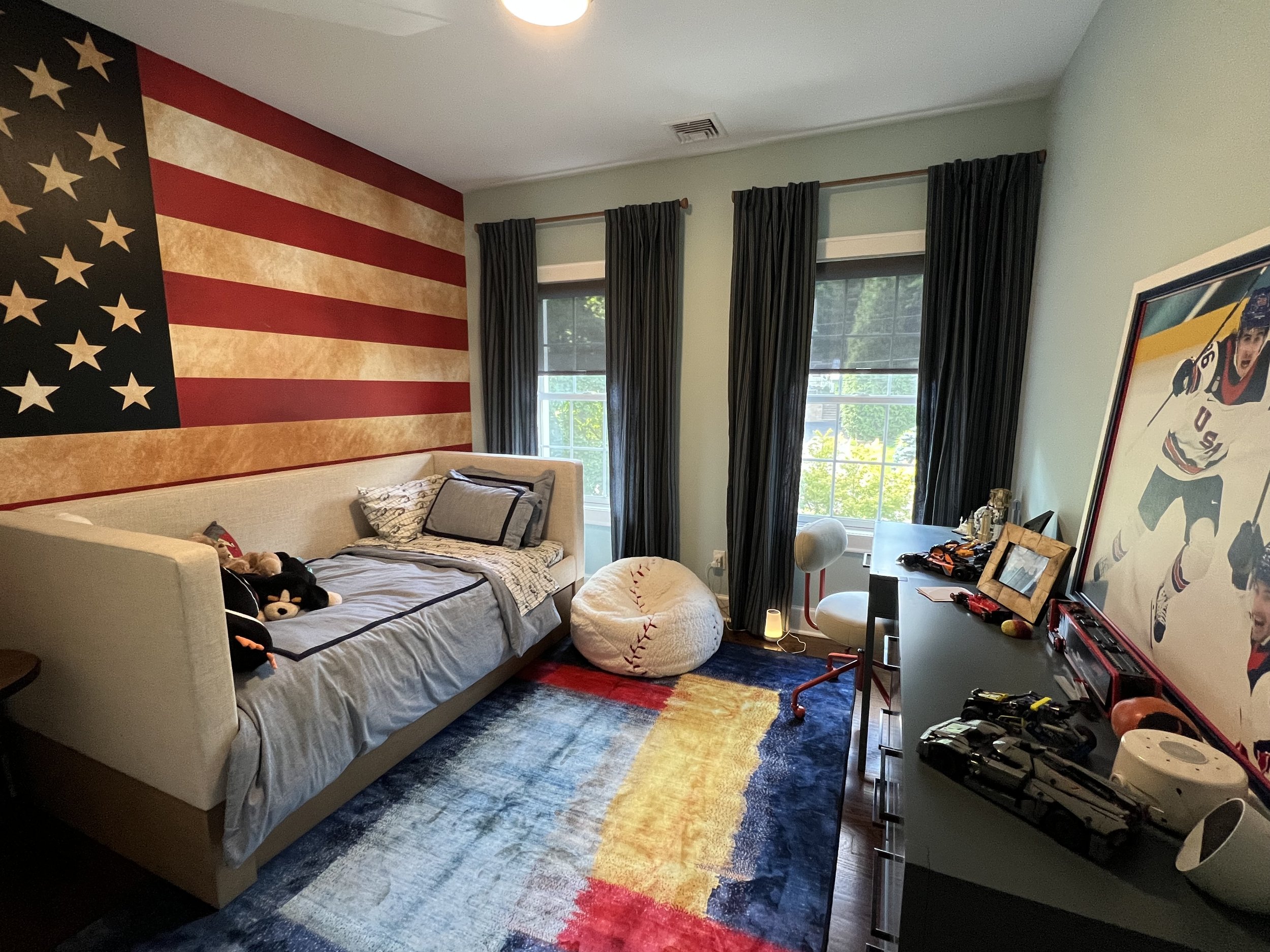
4. The Identity Stage (9–11 Years): Growing Personality & Pre-Tween Transition
This is one of the most overlooked but important stages.
Children begin to shift from “kid space” to “this is MY space.”
Design Focus:
Personal identity
Privacy and independence
Comfort and lounge space
Pre-teen functionality
Key Elements:
More structured storage systems
Lounge seating (bean chairs, daybeds, small sofas)
Adjustable lighting (task + ambient)
Neutral foundational palette with personality accents
Tech-friendly setup (charging stations, device storage)
Designer Insight:
This is where we start reducing “playroom energy” and introducing calm sophistication with flexibility.
5. Tween Stage (11–12 Years): Independence and Self-Expression
This is where rooms become personal retreats.
Design Focus:
Identity expression
Social connection
Privacy and autonomy
Study + downtime balance
Key Elements:
Strong study/work zone
Full-size or upgraded furniture pieces
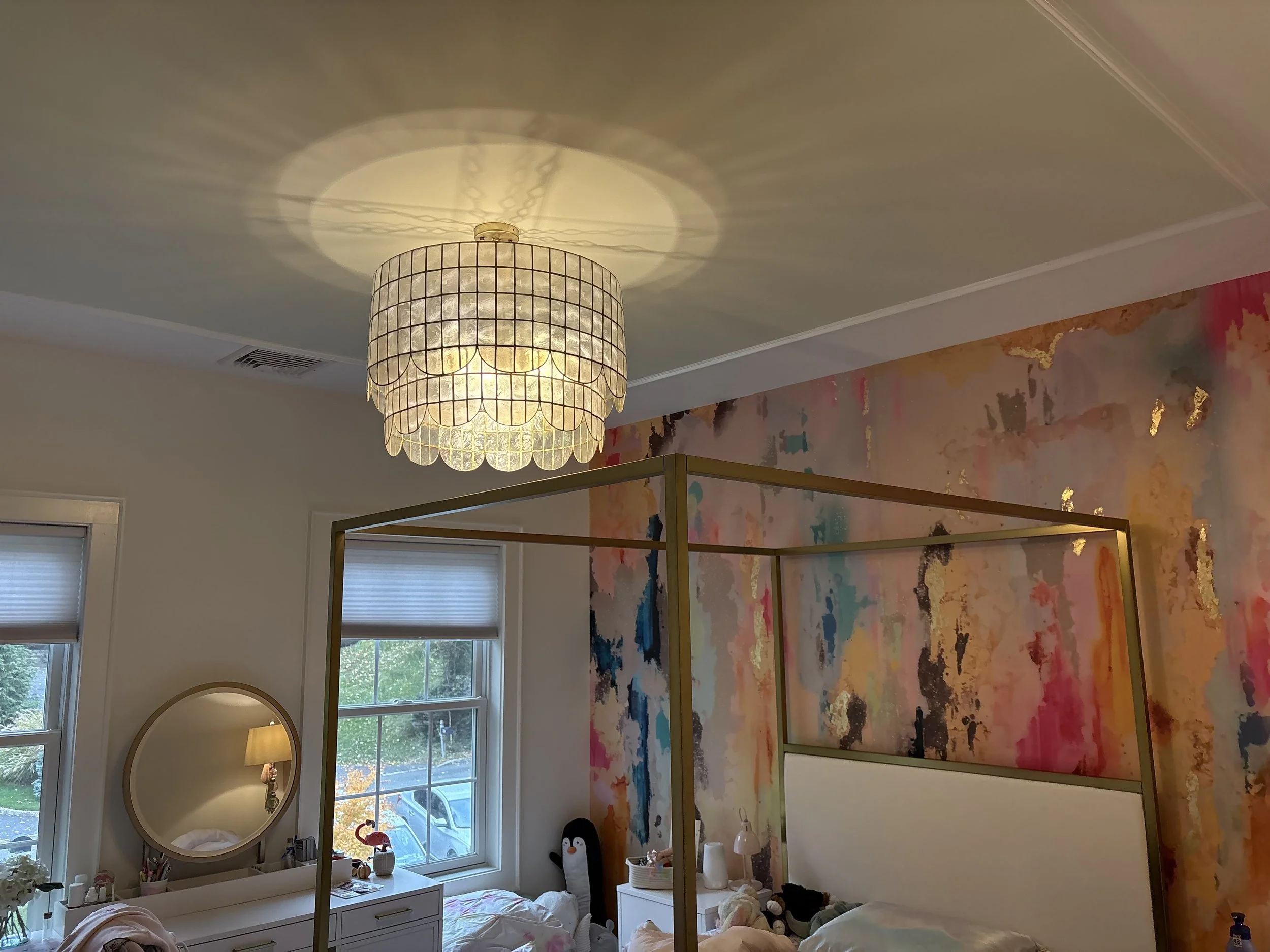
Mirror and personal styling area
Layered textiles for comfort
Flexible décor that can be easily updated
Designer Insight:
Letting children participate in choices becomes essential here. Design becomes collaborative, not dictated.
6. Teen Stage (13–18 Years): Function, Flexibility, and Future Prep
Now the room becomes a hybrid space: bedroom, study zone, social space, and retreat.
Design Focus:
Functionality and efficiency
Academic support
Social comfort
Transition to adulthood
Key Elements:
Full workstation (desk, chair, lighting)
Neutral, long-lasting furniture
Elevated bedding and textiles
Smart storage systems
Minimal but intentional décor
Designer Insight:
This is the stage where good design pays off long-term. Choose pieces that can transition into a dorm room, first apartment, or guest suite.
Designing for the Full Timeline: The Real Strategy
The key to successful family design isn’t designing separate rooms for each stage—it’s designing adaptable foundations that evolve over time.
That means:
Investing in quality furniture early
Avoiding overly themed, short-term design choices
Building flexible storage systems
Designing rooms that can shift purpose
Thinking in layers, not fixed outcomes
Final Thought
A child’s room should never feel like a finished moment—it should feel like a space in motion.
When interior design considers every stage of childhood, a home becomes more than beautiful. It becomes supportive, functional, and future-ready.
That’s where truly thoughtful design lives—not in perfection, but in evolution.
Ready to Design a Home That Grows With Your Family?
At WVC Vision by Design, we specialize in creating thoughtfully layered interiors that evolve beautifully through every stage of life. From nurseries to teen spaces—and everything in between—we design with the future in mind so your home always feels intentional, functional, and elevated.
Book your Design Session today to begin creating a home that grows with your family.